
Brown Rice Health Benefits
Before exploring the health benefits of brown rice, it is important to understand what distinguishes it from the white rice that most people consume every day. White rice, also known as polished rice, undergoes additional processing that changes both its appearance and nutritional profile. Brown rice, on the other hand, is commonly referred to as unpolished rice because it retains more of its natural structure.
When rice is harvested, each grain is enclosed within a tough, dry outer covering known as the husk. This husk is inedible and must be removed before the rice can be consumed. Once the husk is removed, the grain is covered by a thin reddish-brown layer called the bran. In the production of brown rice, processing stops at this stage, leaving the bran layer intact.
To produce white rice, the grain undergoes an additional milling process known as polishing. During polishing, the bran layer is removed, leaving behind the familiar white grain that is widely sold and consumed around the world. While polishing gives rice a softer texture and longer shelf life, it also removes a significant portion of the grain's natural fiber, vitamins, minerals, and beneficial plant compounds. Understanding this difference between brown and white rice provides the foundation for appreciating why brown rice is widely regarded as a healthier dietary choice. Let us now explore the key health benefits of brown, unpolished rice.
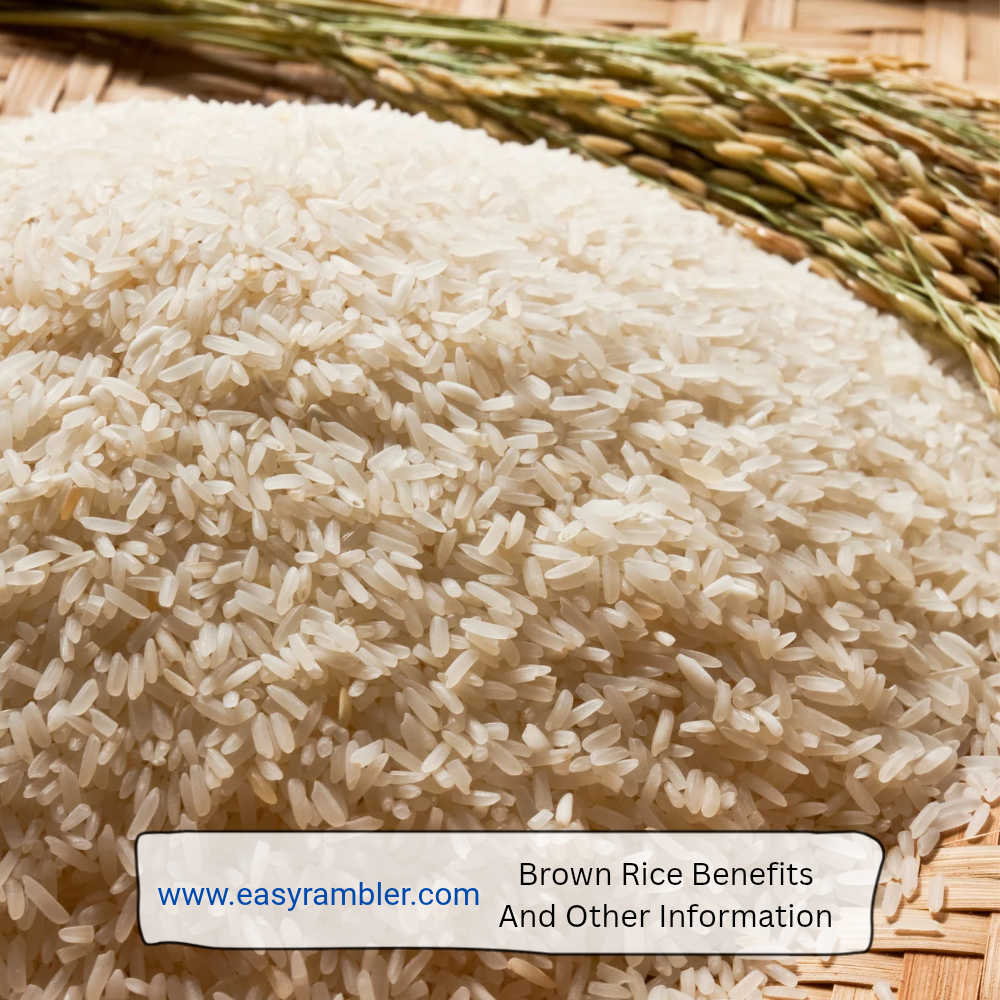
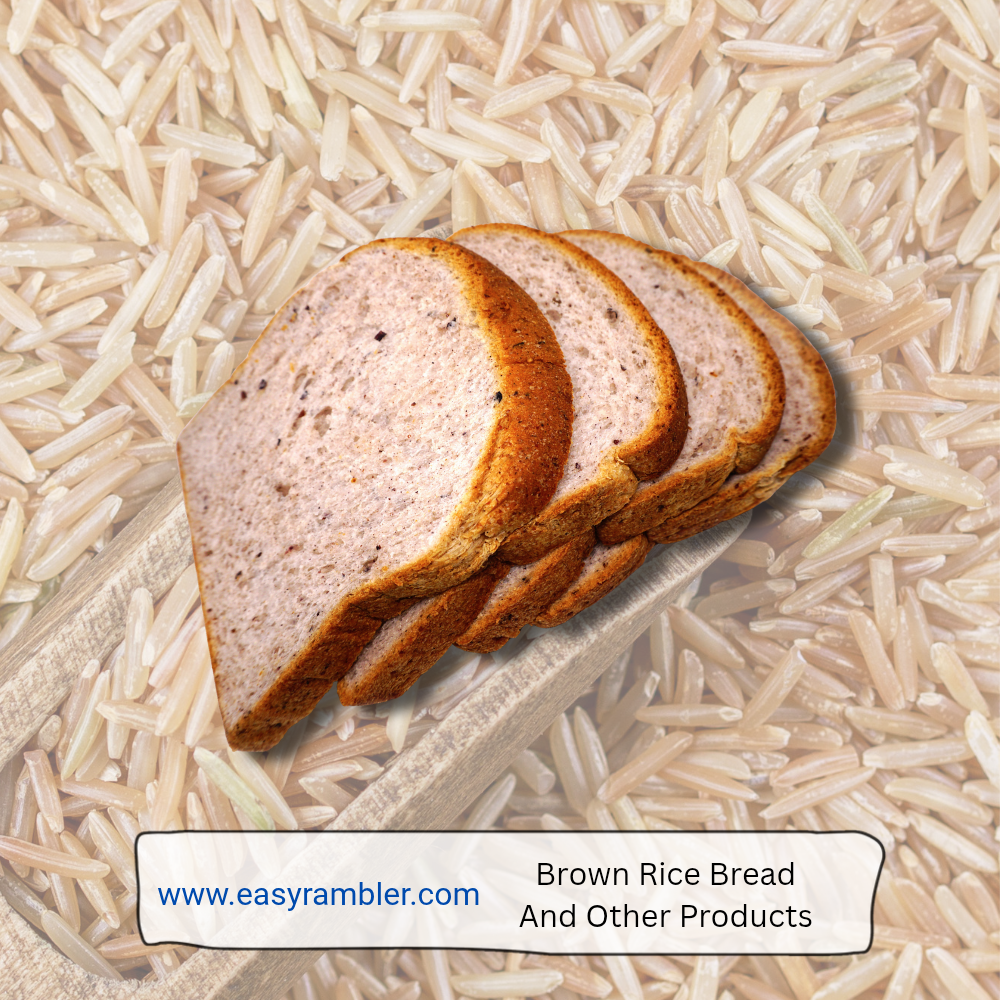
BROWN RICE HEALTH BENEFITS
Benefits of Brown Rice: A Natural Source of Nutrition
The benefits of brown rice begin with its impressive nutritional profile. Unlike polished white rice, brown rice retains its bran and germ layers, which contain valuable nutrients that are removed during the polishing process. As a result, brown rice provides more dietary fiber, B vitamins, magnesium, phosphorus, manganese, and antioxidants. These nutrients work together to support overall health while making brown rice a wholesome addition to a balanced diet.
Supports Digestive and Heart Health
One of the important benefits of brown rice is its positive effect on digestive health. The higher fiber content promotes regular bowel movements and supports the growth of beneficial gut bacteria. Fiber also helps create a feeling of fullness, which may reduce unnecessary snacking and support healthy weight management. In addition, diets rich in whole grains such as brown rice have been associated with better heart health. The combination of fiber, minerals, and plant compounds may help maintain healthy cholesterol levels and support normal blood pressure when included as part of a nutritious lifestyle.
Steady Energy and Long-Term Wellness
Another of the significant benefits of brown rice is its ability to provide steady, long-lasting energy. Because it is digested more slowly than white rice, it helps reduce rapid fluctuations in blood sugar levels, making it a preferred option for many people seeking sustained energy throughout the day. Brown rice is also naturally gluten-free, making it suitable for individuals with gluten intolerance or celiac disease. While no single food can guarantee perfect health, replacing refined grains with whole grains like brown rice is widely recommended as part of a varied diet that includes fruits, vegetables, lean proteins, and healthy fats to promote long-term wellness.
BROWN RICE COOKING TIPS
If you are new to eating brown rice, there is no need to switch from white rice overnight. A simple way to adjust to its slightly nutty flavor and firmer texture is to begin by mixing equal portions of brown rice and white rice. A 50:50 blend allows you to enjoy the nutritional advantages of brown rice while making the transition gradual and enjoyable.
Before cooking, rinse the brown rice thoroughly under running water to remove any dust or impurities. It is also recommended to soak the brown rice in clean water for about 20 to 30 minutes. Soaking helps soften the grain, promotes more even cooking, and may slightly reduce the cooking time. Since white rice does not require soaking, add it to the bowl only after the brown rice has completed its soaking period.
Brown rice generally requires more water and a longer cooking time than polished white rice. A ratio of about 2 to 2½ cups of water for every cup of brown rice works well for most varieties, although the exact amount may vary. Simmer the rice over low heat with the lid on and avoid lifting the lid frequently, as this releases steam needed for proper cooking. Once cooked, allow the rice to rest for about 10 minutes before fluffing it gently with a fork. This resting period improves the texture and helps produce light, separate grains.
TIPS ON STORING BROWN RICE
Proper storage is essential if you want to preserve the quality, flavor, and nutritional value of brown rice. Unlike polished white rice, brown rice retains its bran layer, which contains natural oils. These oils contribute to the grain's nutritional value but also make it more susceptible to spoilage. Over time, the oils can become rancid, giving the rice an unpleasant smell and taste.
For this reason, it is advisable not to purchase brown rice in excessively large quantities unless you are certain it will be consumed within a reasonable period. Always check both the manufacturing date and the expiry date before making a purchase. The shelf life should be calculated from the manufacturing date printed on the package, not from the date you bought it. Choosing the freshest available pack helps ensure better quality.
Once opened, transfer brown rice to an airtight container to protect it from moisture, insects, and unwanted odors. Store the container in a cool, dry, and dark place away from direct sunlight and heat sources. If you live in a warm or humid climate or plan to keep the rice for several months, storing it in the refrigerator or freezer is an excellent option. Cold storage helps slow the natural oxidation of the bran oils and extends freshness. By following these simple storage practices, brown rice can retain its flavor, texture, and nutritional benefits for a much longer period.
INTERESTING BROWN RICE USAGE
The growing awareness of the health benefits of brown rice has encouraged food manufacturers and home cooks to use this nutritious grain in a wide variety of recipes beyond a traditional bowl of cooked rice. Its mild, nutty flavor and wholesome nutritional profile make it a versatile ingredient for both savory and sweet dishes.
One popular option is crisp crackers made from puffed brown rice, which provide a light and crunchy snack. Brown rice flour is also increasingly blended with refined wheat flour to prepare healthier breads, buns, pizza bases, and dinner rolls. Bakers use it in cookies, muffins, pancakes, waffles, and cakes to increase the fiber and nutrient content of their recipes. Since brown rice flour is naturally gluten-free, it is also widely used in recipes designed for people with gluten intolerance.
Brown rice can also be incorporated into breakfast cereals, granola bars, energy bars, and puffed rice snacks. It is commonly added to soups, salads, stuffed vegetables, grain bowls, and casseroles to enhance both nutrition and texture. Ground brown rice flour is frequently used to prepare noodles, pasta, tortillas, and wraps, while some recipes use it as a coating for baked or air-fried foods instead of refined breadcrumbs.
With its versatility and nutritional advantages, brown rice continues to find its way into an expanding range of healthy recipes, making it easier for people to include more whole grains in their daily diet.
IMPORTANT NOTES
No single food can guarantee good health, and that includes nutritious choices such as brown rice. While many foods offer valuable vitamins, minerals, fiber, or other nutrients, the greatest benefits are usually achieved when they are included as part of a balanced and varied diet. Eating in moderation remains one of the most important principles of healthy nutrition, helping to avoid excessive intake of calories, sugar, fat, or even otherwise beneficial nutrients.
When considering the health benefits of brown rice, it is wise to remember that individual nutritional needs can vary significantly. Age, lifestyle, activity level, allergies, food intolerances, and existing medical conditions all influence the type of diet that is most appropriate for each person. People managing diabetes, kidney disease, digestive disorders, or other chronic health conditions may require carefully planned meals prepared under the guidance of qualified healthcare professionals.
Before making significant dietary changes, including replacing staple foods with brown rice or introducing new eating habits, seek advice from a physician or registered dietitian. Professional guidance helps ensure that dietary adjustments are safe, nutritionally balanced, and appropriate for individual health requirements. A thoughtful approach that combines moderation, variety, regular physical activity, and informed medical advice provides a stronger foundation for long-term health than relying on any single food, including brown rice.

Men love to wear green gems, they are however particular about the shade of green that they wear. Tourmaline is a spectacular gem found in many colors. The green tourmaline men's ring shown here is tough and handsome ... more.

Pendants are more convenient to wear as compared to rings, they also undergo a lower degree of wear and tear. Pendants come in various styles and sizes, you can make a pick based on your budget and personal preference ... more.